Test Your Water Quality: Everything You Need To Know
Water is the lifeblood of all ecosystems because it contains and provides precious metals, nutrients, and other necessities of life. Without clean water and clean water, the ecosystem cannot survive, so it is not surprising that contaminated and unhealthy water sources have infected millions of people around the world. To make sure the faucet in your home provides the cleanest water you and your family can drink, you can submit it to a series of water quality tests.
If the tap water shows signs of contamination, such as discoloration, bad smell, or unusual taste, you should test the quality. The water quality tests are carried out in a specialized laboratory. Most Water Filter Companies will provide water quality testing services to those who are concerned about their water supply at the lowest cost. There are three types of tests you can do to help isolate the contaminants and give you a better idea of how to purify the water.
Bacteria:
The last thing you want to get in your body when you take a sip of fresh water is a strain of harmful bacteria. Stagnant water can promote bacterial growth and cause serious infections to anyone who drinks it. The bacterial water quality test will examine any bacteria that may cause the disease so you can begin a treatment plan to get rid of it.
Minerals:
It is assumed that water contains a certain amount of minerals and nutrients, but it can be very harmful. The metal test will show if the water contains any defect in the metal that could be harmful to your health or to the health of the appliances that use water. Once you discover the imbalance, it will be much easier to start a treatment plan that will adjust the percentages of minerals and restore your tap water in perfect nutritional harmony.
Chemical products:
Our modern world uses pesticides and other chemicals to treat crops and cleanse our society, but these chemicals can often be harmful to our bodies if they are ingested with drinking water. The chemical water quality test will show you if these harmful chemicals can seep into the soil and your water source.
Water quality test kits
There are two main types of water quality test kits: the water dropper test kit and the test strip test instruments. These tools will help you determine the pH levels in the water and also tell you what is in them.
Water dropper test kit:
The test kit uses dropper dripper and specific reagents. You must isolate the sample from your water supply in a clear glass container or petri dish and use the dropper to place the detector in the sample. If the detector converts the sample to a different color, it indicates that the material you are looking for is present in the water sample.
Test Strips:
There are many types of water quality test kits in the testing sector; each focused on a particular substance. All you need to do to use the test strip kit is to buy a bar that looks for metal or chemical that worries you and shows the tape of your water source. If the material you are looking for is in the sample of water you are providing, the color of the ribbon will change.
Discover why water quality tests are important
Regular water quality tests are essential for anyone who does not use water in the city. Even those who use treated water in the municipality should also undergo a water quality test regularly.
Any number of factors can affect the quality of your water, including industrial waste, runoff from the farm, oil and gas pollution, or even your disposal (or neighborhood) of harmful chemicals and wastes.
If you live in an old house, you may have lead pipes in your home, or water pipes may contain the lead city. If you have any advantage in the water, it is necessary to remove it because the lead will lead to serious brain damage in children and adults. While a regular water quality test is recommended, keep in mind that nothing can be tested in water.
In addition to thousands of chemicals, there are also heavy metals such as lead and mercury, as well as bacteria and microorganisms in the water as well. If your city or city treats chlorinated water, as most of them do, you need to filter it. Chlorine ingestion or prolonged exposure to breast, rectum, and bladder cancer has been linked. Not to mention that the tastes and smells are terrible.
Chlorine is an extremely effective way to disinfect water and kill bacteria and microorganisms in water, but it must be removed before drinking or bathing in it or inhaling steam or mist.
The most effective and efficient way to eliminate these chemicals and toxins and protect yourself and your family is to install an adequate system for water purification. A filter that contains a carbon filter, filter provides no micron, multi-media block, and the exchange of maximum protection from chemicals, minerals, bacteria, and ions toxins.…

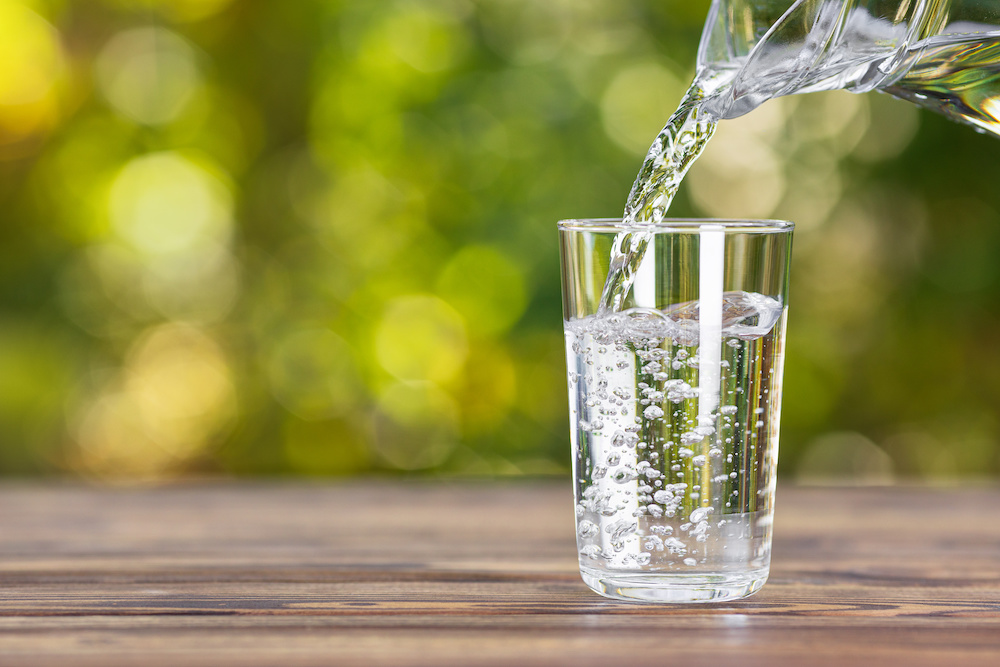
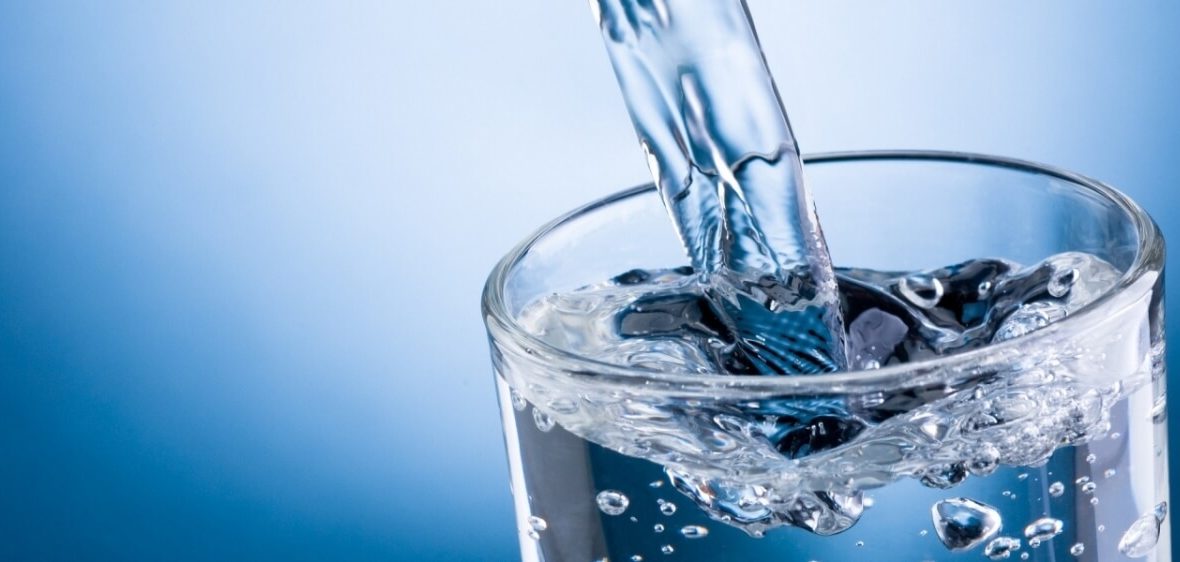
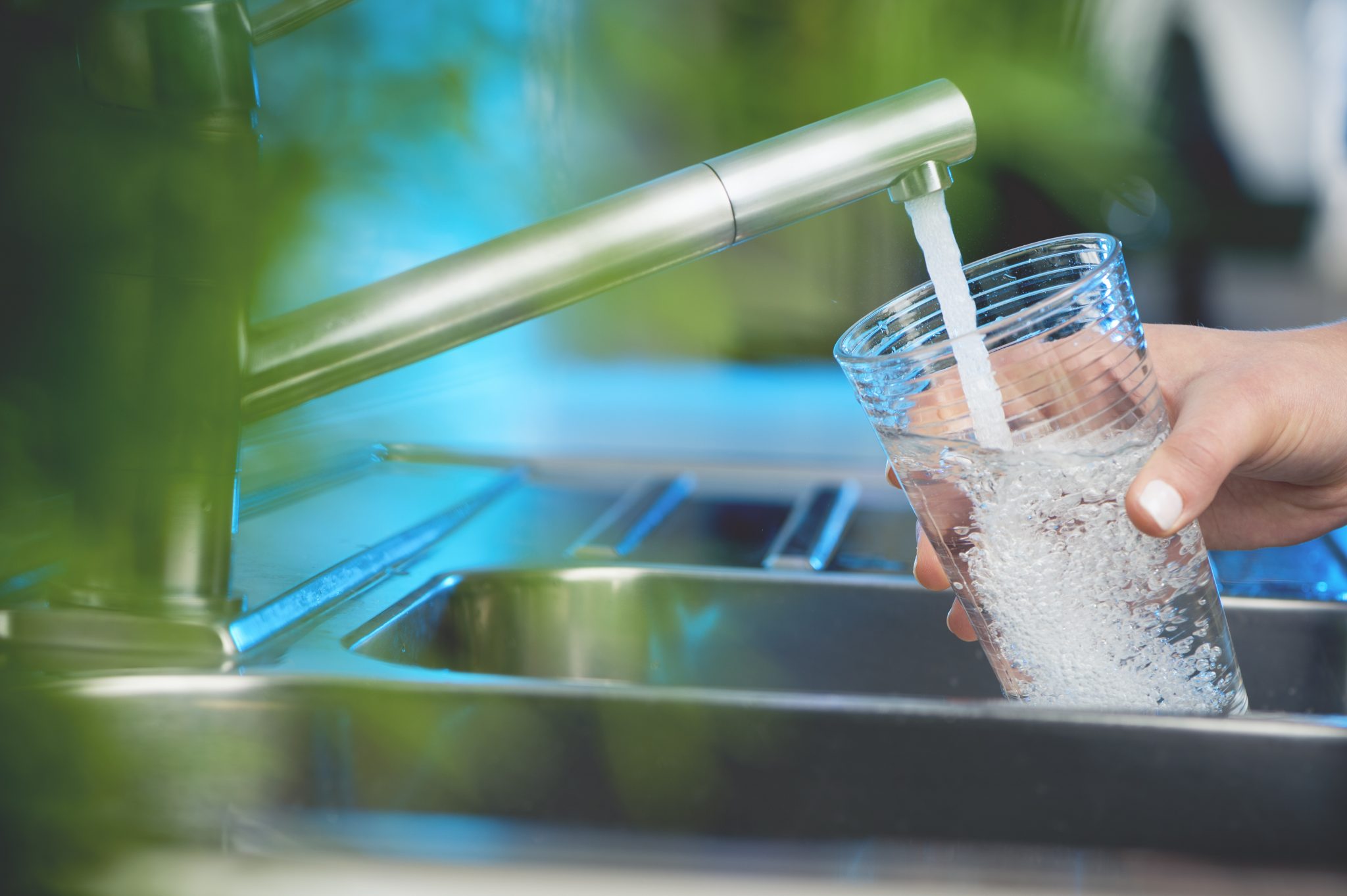 Does your drinking water have an odd taste to it? Are you prone to illness or digestive issues without any evident causes? Have you ever considered doing water quality testing? Water is a necessity for life, and as such that necessity needs to be protected. Water testing will uncover any harmful substances in your water supply and may give insight into any health issues that you are experiencing.